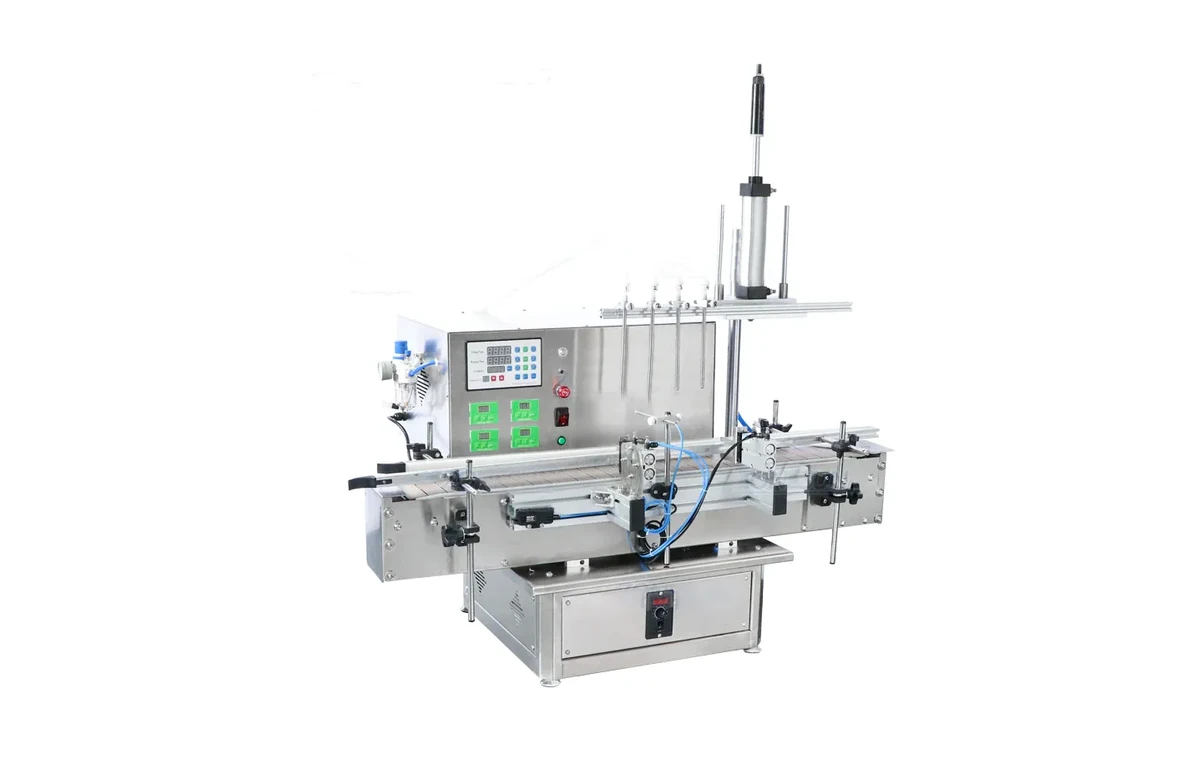
Bench or tabletop fillers
Compact options for smaller bottles, samples and controlled batch filling where space is limited.
Read moreSemi-automatic fillers
Semi-automatic filling is a practical first automation step for chemical manufacturers that need better control than hand filling without committing to a full automatic line. It suits trials, smaller runs, frequent changeovers and container ranges that are still developing.
Specification
A semi-automatic chemical filler can reduce weighing errors, improve dose repeatability and remove some of the inconsistency of hand filling. It can also be easier to justify where products, closures and formats are still changing.
Choose your equipment
Use the liquid and container to choose the style of semi-automatic filler.
Compact options for smaller bottles, samples and controlled batch filling where space is limited.
Read more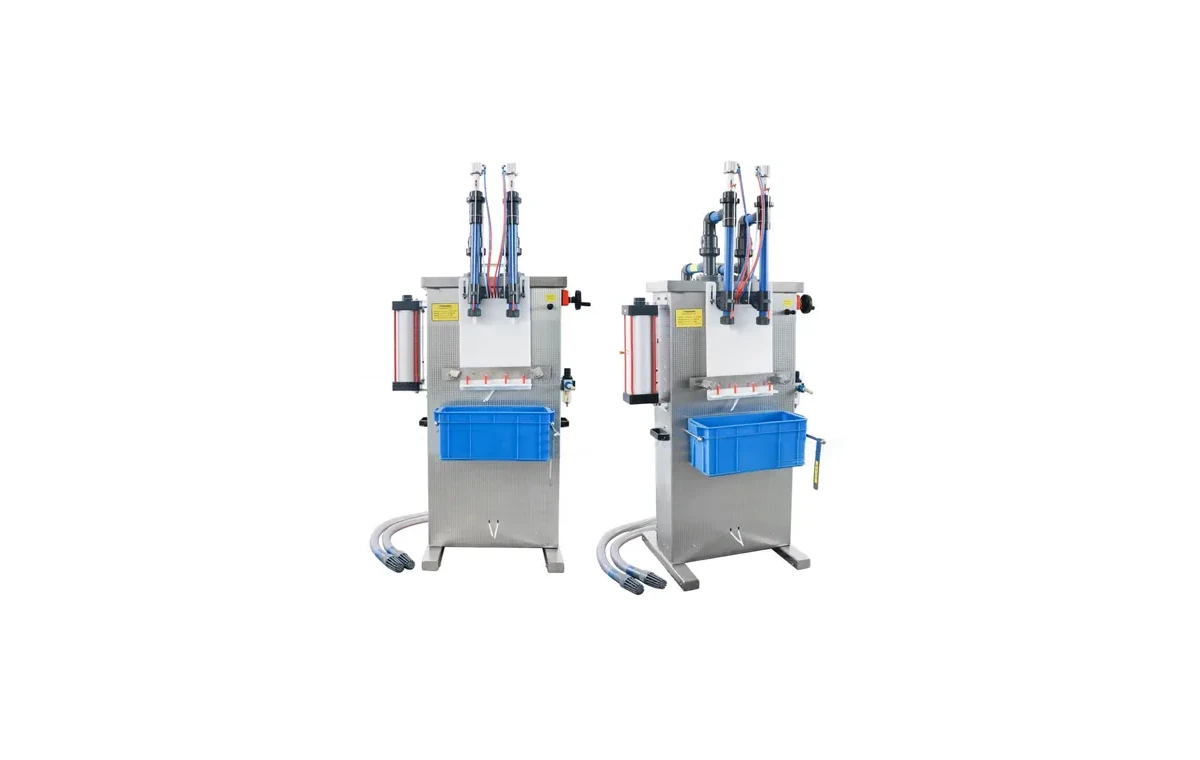
Options for aggressive liquids where contact material compatibility is central to the machine choice.
Read more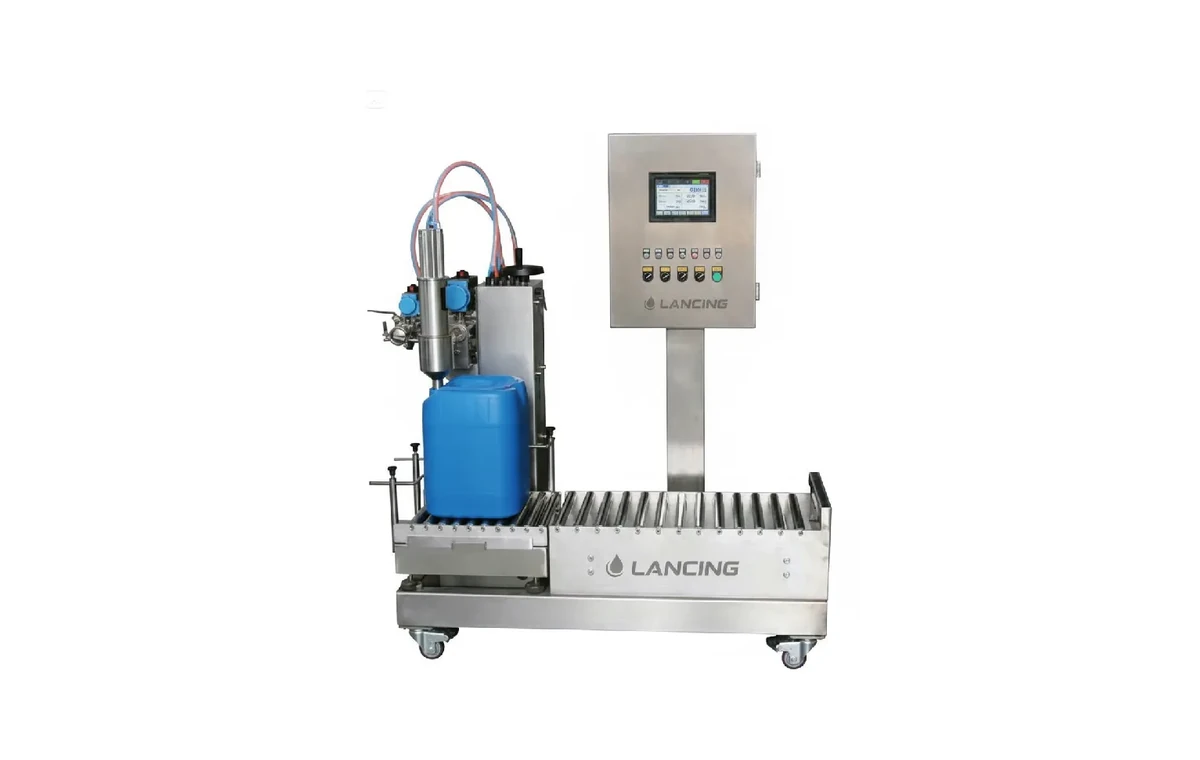
Useful for 5L to 25L packs, pails and drums where weighing and operator handling shape the layout.
Read more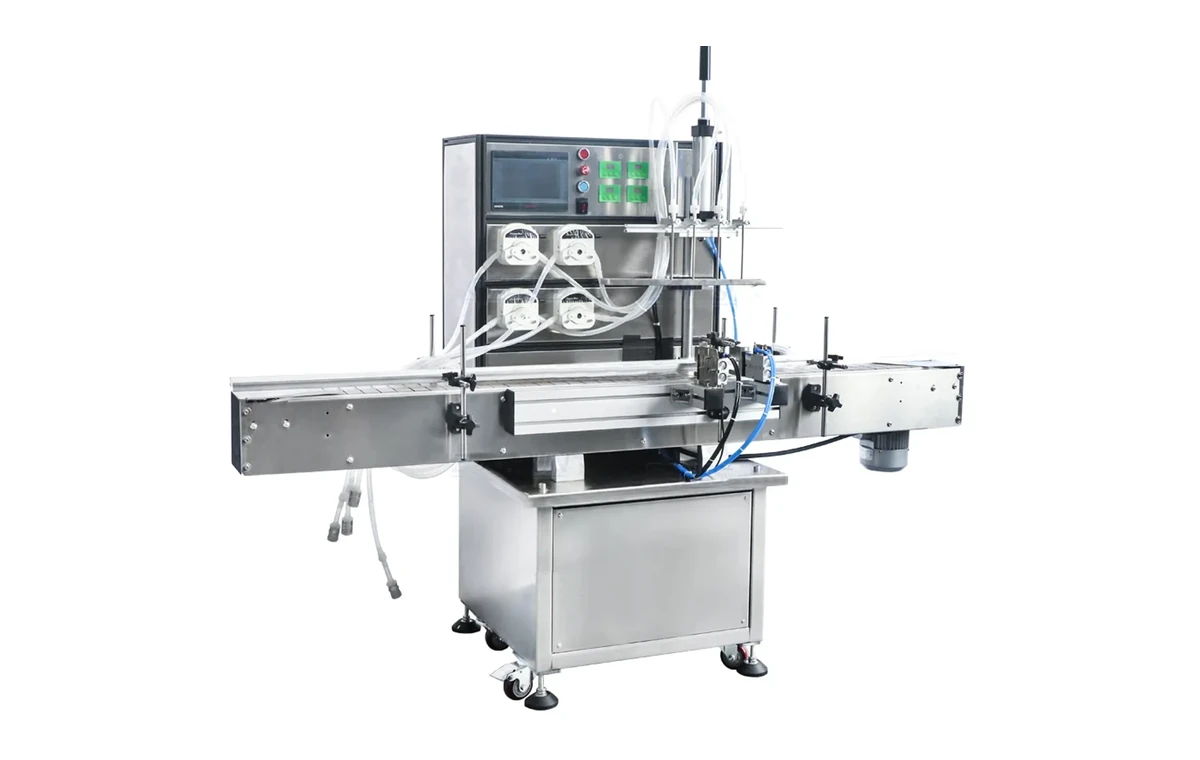
A flexible option for selected chemical liquids where tube contact, changeover speed or product isolation matters.
Read moreComparison
| Factor | Semi-automatic | Automatic |
|---|---|---|
| Output | Lower to medium output, operator paced | Higher output, conveyor paced |
| Changeover | Often easier for varied short runs | Best when formats are known and planned |
| Footprint | Usually smaller and easier to place | Needs line layout and conveyor space |
| Investment | Lower initial spend | Higher spend but reduced manual handling |
| Growth | Good first controlled step | Best for sustained production demand |
Process
Is the issue speed, accuracy, waste, spill control, operator time or consistency?
Include minimum and maximum fill volume, container dimensions and closure types.
Share SDS notes and any known materials that must or must not contact the liquid.
Decide whether the machine should be a stepping stone to full automation.
FAQ
Yes. It can be a sensible first step where the business needs controlled dosing and repeatability but still has varied products, lower volumes or developing pack formats.
Yes, depending on fill volume and handling requirements. Larger containers often need weight or pump-controlled options with suitable operator access.
Sometimes a project can be staged, but upgrade potential depends on the machine type, control system, product range and planned container formats.
Speak to Lancing
Send the product, fill volume, container, closure and target output. Include SDS and compatibility notes where relevant.