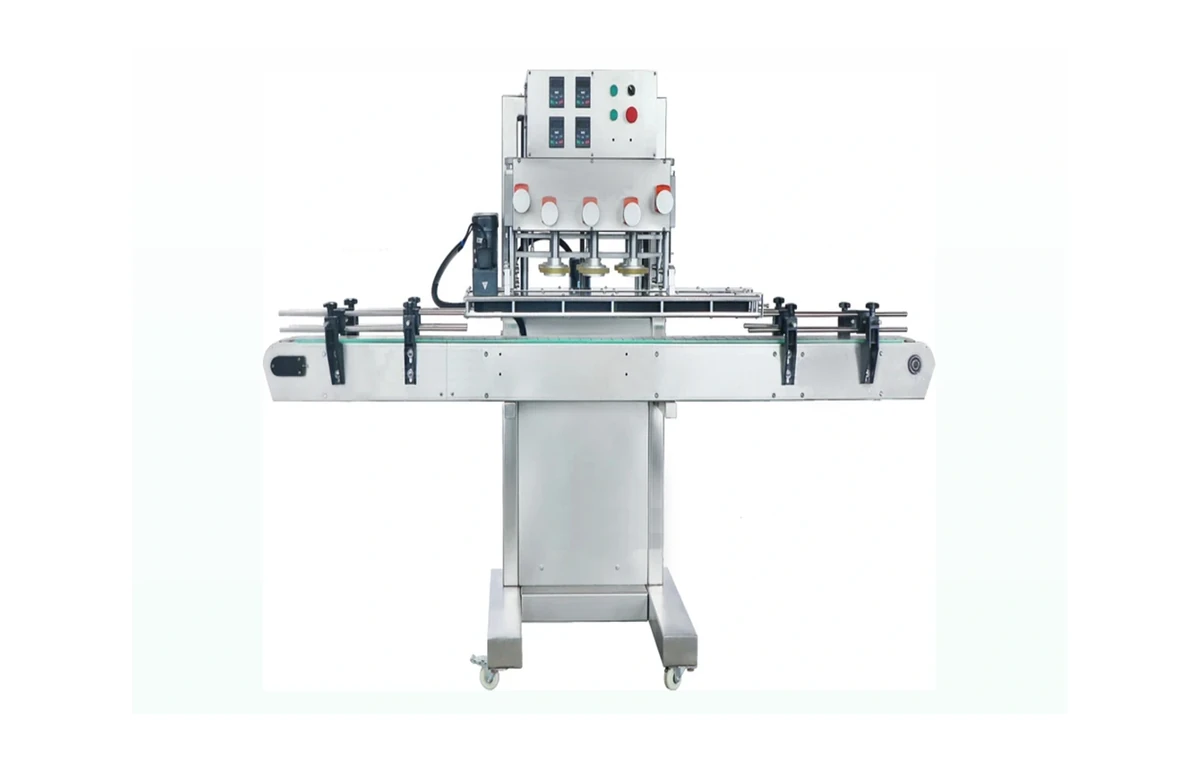
Screw capping machines
Torque-controlled options for standard bottles, HDPE containers and selected chemical packs.
Read moreCapping and closures
The closure handling can make or break a chemical filling line. Screw caps, triggers, pumps, bungs, lugs, plugs and ROPP closures all have different handling, torque, feed and changeover requirements.
Specification
Chemical containers need dependable closure control because leaks, liner compression, thread engagement and pack stability all affect finished-pack quality. A capper should be selected around the actual bottle, neck finish, cap, product and line speed.
Choose your equipment
Use closure type first, then automation level and line integration.
Torque-controlled options for standard bottles, HDPE containers and selected chemical packs.
Read more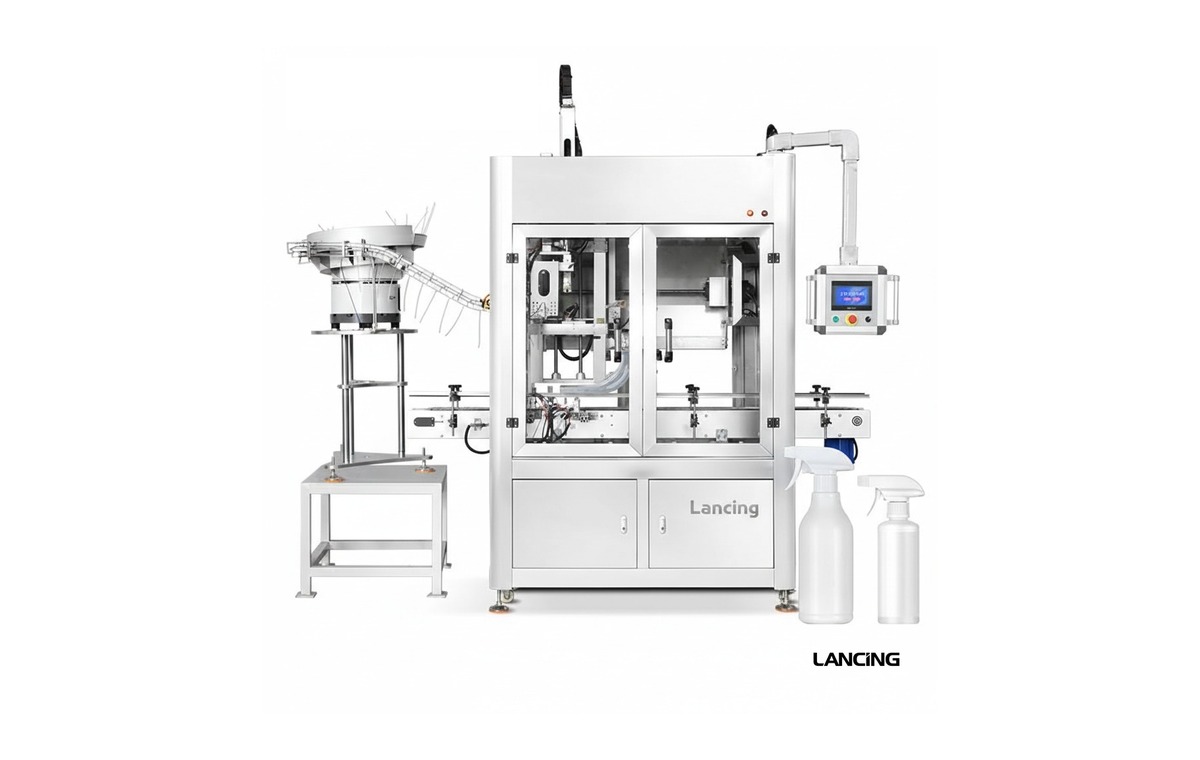
Specialist handling for cleaning products, sanitisers, sprays and dispenser closures.
Read more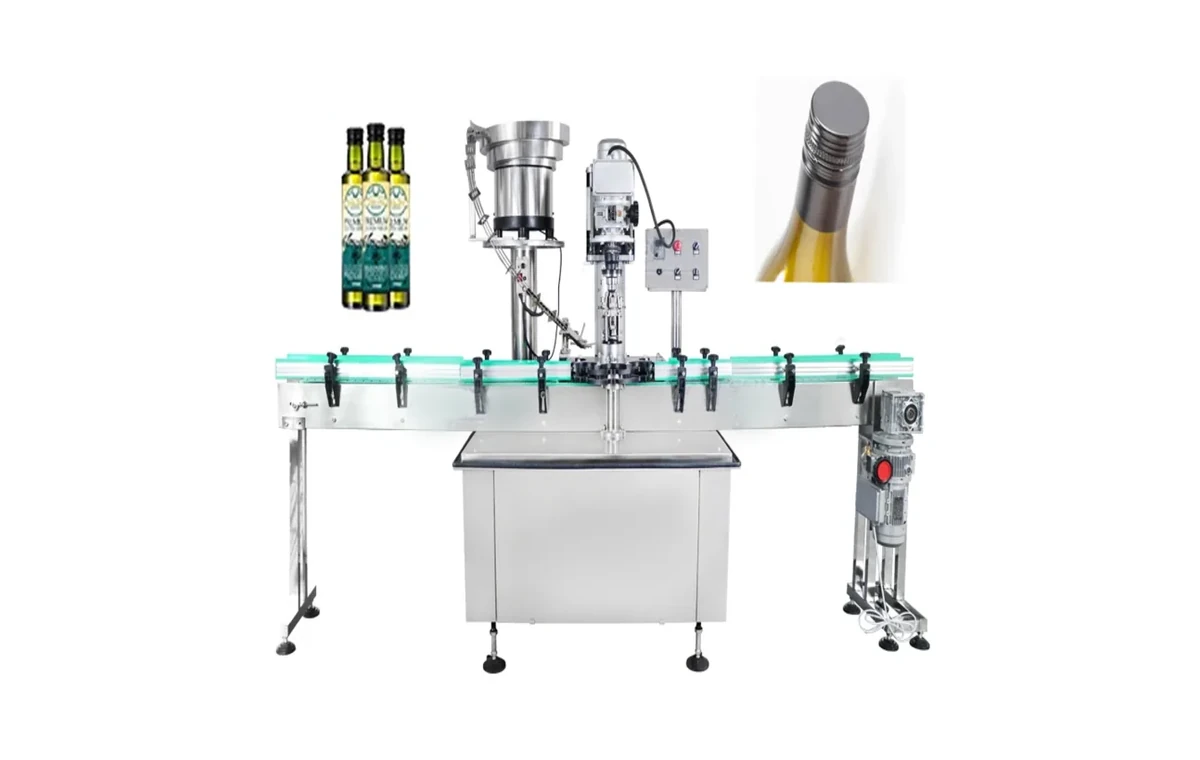
Options for aluminium closures and specialist pack formats where standard screw capping is unsuitable.
Read more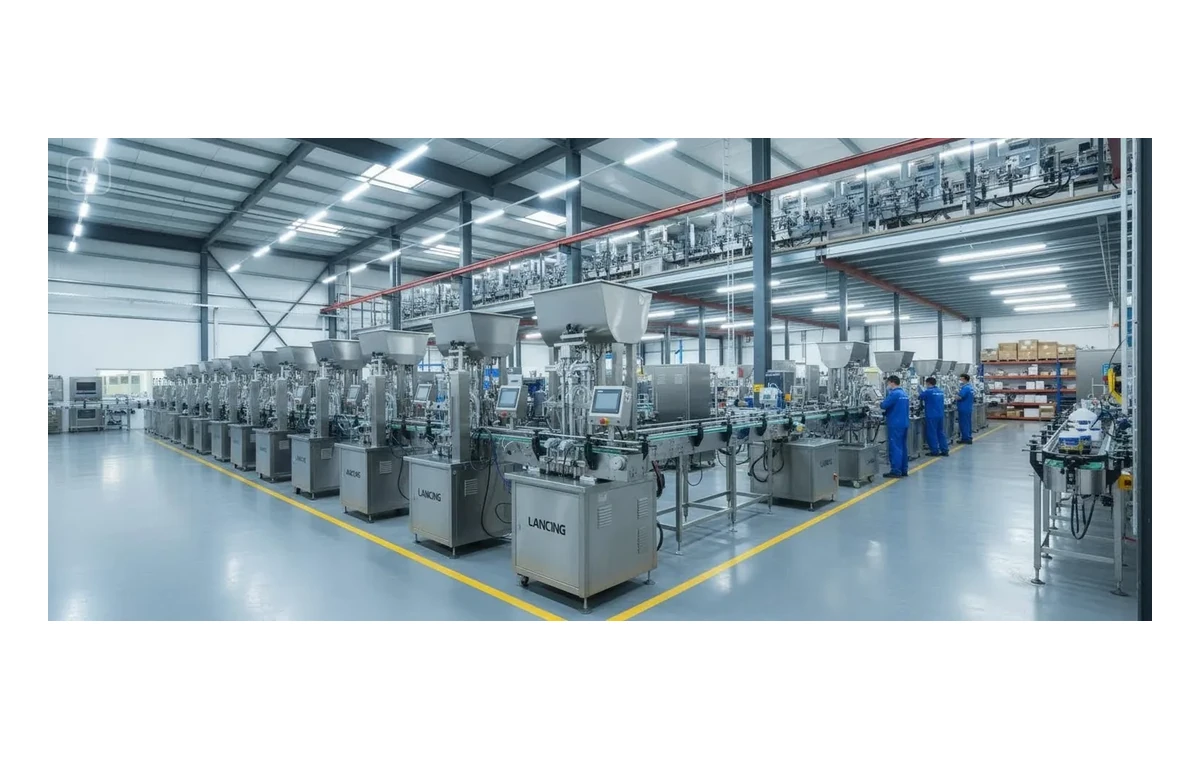
Balanced lines where filling output, capping speed and labelling requirements are specified together.
Read moreComparison
| Detail | Why it matters | Example |
|---|---|---|
| Cap diameter and height | Determines chuck, spindle or handling equipment | 28mm screw cap, pump, trigger |
| Bottle neck finish | Affects thread engagement and torque repeatability | Thread style, neck size, liner |
| Torque target | Defines tightening method and quality check | Opening-force or torque range |
| Cap presentation | Manual placement or automatic feed changes the equipment | Bowl feeder, cap elevator, hand placed |
| Filled-pack stability | Chemical packs can be light, tall or flexible | Bottle guides, conveyor control |
Process
Screw, trigger, pump, ROPP, press cap or specialist lid.
Tall, flexible, tapered or lightweight containers can affect capper choice.
Manual placement, bowl feeding and cap elevators have different cost and layout implications.
Filling output, capping speed and labelling must match practical production targets.
FAQ
Start with closure type and bottle stability. Screw caps, pumps, triggers and ROPP closures usually need different capping and feeding methods.
Sometimes, but it depends on cap diameter, cap height, thread style, torque range, bottle stability and how often formats change.
Yes. A fill-cap-label line is often the better choice when capping speed and closure control must match the filler.
Speak to Lancing
Send the product, fill volume, container, closure and target output. Include SDS and compatibility notes where relevant.